

INFO CENTER
Firstrate Sensor Co.,Ltd is a leading sensor Manufacturer with 60 years Experience
Dissolved Oxygen Sensors for Wastewater Efficiency
2025-10-22
Every day, a silent "purification battle" takes place in outdoor wastewater treatment plants. In the aeration tanks, countless microorganisms work tirelessly to break down pollutants, relying on an invisible yet vital lifeline: dissolved oxygen. When dissolved oxygen levels are too low, microbial activity declines, leading to a sharp drop in purification efficiency. Conversely, excessively high levels indicate energy waste and soaring costs. Striking the right balance between the two has long been a critical challenge in wastewater treatment.
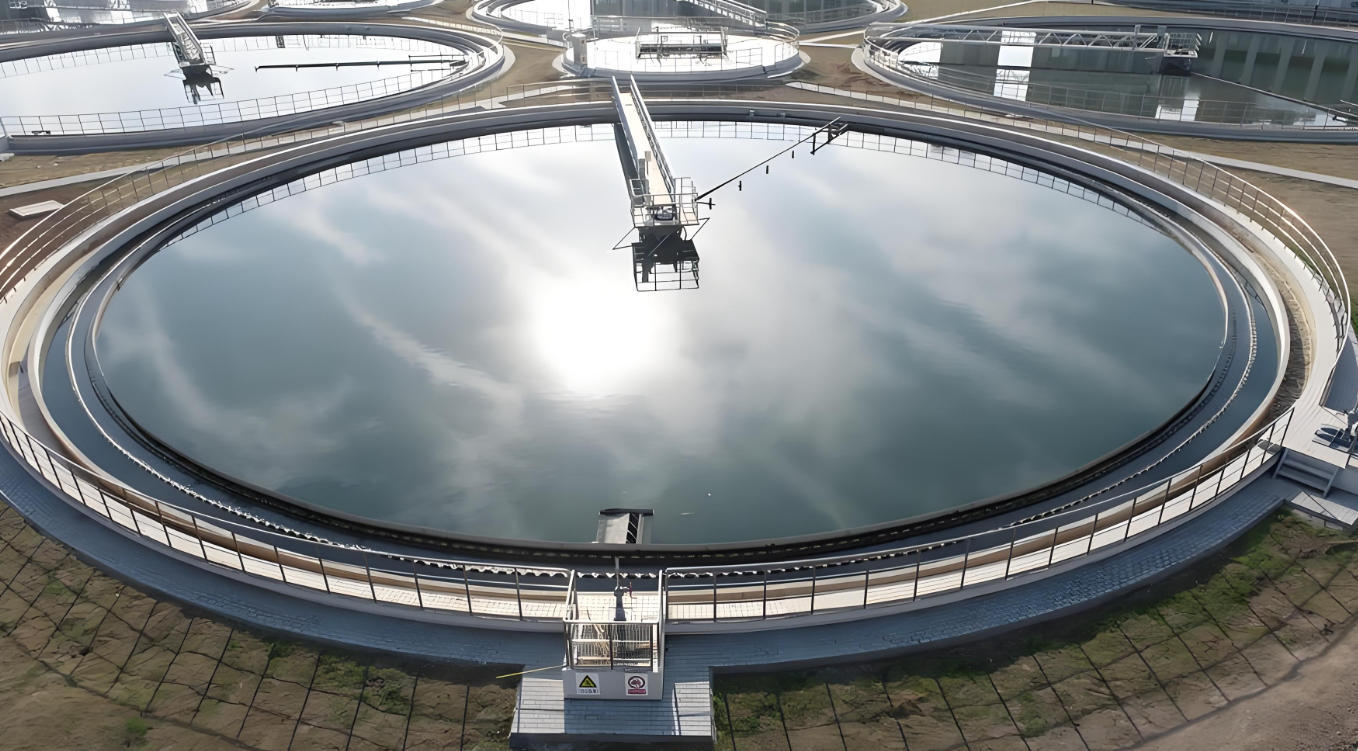
The emergence of dissolved oxygen sensors has brought new solutions to this challenge. Compact yet robust, these sensors are equipped with a powerful "intelligent core." Constructed from high-strength, corrosion-resistant materials, they can withstand the erosion of various chemicals in wastewater, ensuring long-term stability and reliability. With an IP68 protection rating, they operate reliably even when fully submerged, unaffected by rain or dust, making them well-suited for harsh outdoor environments. Their pressure resistance of up to 4 bar allows for precise measurements in diverse installation scenarios, such as pipelines, aeration tanks, or deep-water areas, unaffected by water pressure fluctuations.
Operating tirelessly day and night, dissolved oxygen sensors act as loyal "guardians of oxygen," continuously monitoring dissolved oxygen levels in water. With a measurement range of 0–40 mg/L, they provide stable, real-time data, enabling automatic control systems to adjust aerator operations dynamically and achieve on-demand oxygen supply and precise aeration. This has gradually replaced the traditional manual adjustment methods reliant on operator experience. As a result, many wastewater treatment plants have significantly reduced aeration energy consumption, cutting operational costs while ensuring consistently compliant effluent quality.
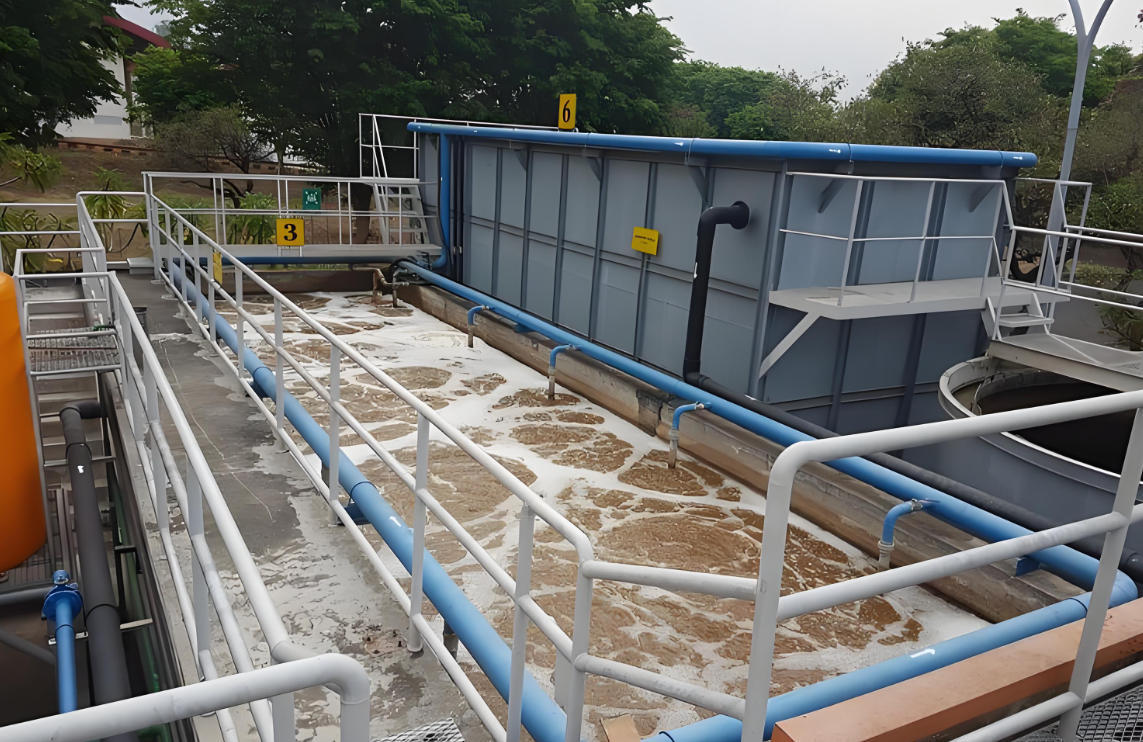
Precise dissolved oxygen control not only saves energy but also directly determines the health of the biological treatment system. Continuous monitoring by dissolved oxygen sensors ensures microbial communities remain in an optimal state, enabling thorough pollutant degradation and efficient nitrification. This effectively prevents issues such as filamentous bulking caused by oxygen deficiency. The integration of these sensors marks a shift from experience-based management to scientific decision-making in wastewater treatment.
RECOMMEND NEWS


Contact Us
WhatsApp:
Email:

Contact Us
· Our company was founded in 1965 and has more than 60 years of experience in sensor R & D and production.
· Our products have obtained CE, RoHS, ISO, ATEX and other international certifications.
Please leave your contact information to get one-on-one product selection guidance and quotation services from professional engineers.