

INFO CENTER
Firstrate Sensor Co.,Ltd is a leading sensor Manufacturer with 60 years Experience
Application of pH Sensors in Cooling Towers
2025-09-26
Cooling towers, as indispensable equipment in many industrial facilities, play a vital role in heat dissipation. By exchanging heat between water and air, they ensure efficient operation of equipment. However, as time passes, changes in cooling tower water quality directly affect performance. Among these factors, pH value—an indicator of water acidity or alkalinity—is particularly critical for cooling tower efficiency and equipment stability.

If the water in a cooling tower has a low pH (acidic), it accelerates the corrosion of metal components, potentially leading to pipe or pump damage. Conversely, if the pH is too high (alkaline), scaling occurs inside the equipment, clogging pipelines, reducing heat exchange efficiency, and in severe cases, disrupting normal operation. Therefore, continuous monitoring and timely adjustment of water pH not only prevent these issues but also extend equipment lifespan and reduce unnecessary maintenance costs.
Here, the pH sensor plays a crucial role. It continuously monitors the water’s pH in real time, providing operators with accurate data and enabling them to take immediate corrective actions to maintain optimal acidity-alkalinity balance. When integrated with an automation system, the sensor can even trigger automatic dosing—adding acidic or alkaline solutions when needed—thus preventing equipment damage caused by water quality fluctuations.
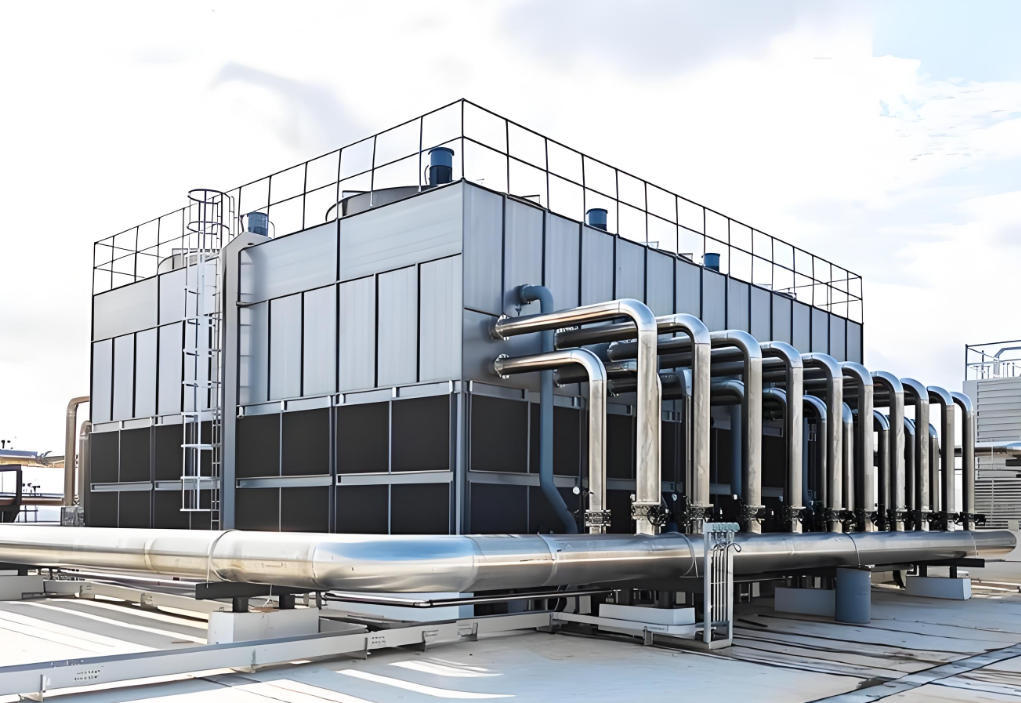
Moreover, using pH sensors helps prevent corrosion and scaling, while also improving the water treatment efficiency of cooling towers. When water pH is precisely controlled, heat exchange is enhanced, water consumption is reduced, and overall system efficiency increases, while energy waste is effectively minimized.
Modern pH sensors not only deliver high-precision measurement but also offer improved durability and stability. Built with corrosion-resistant materials, they withstand extreme conditions in cooling towers such as high temperature, strong acids, or strong alkalis. With reliable measurement performance, they ensure stable long-term operation of cooling tower systems.
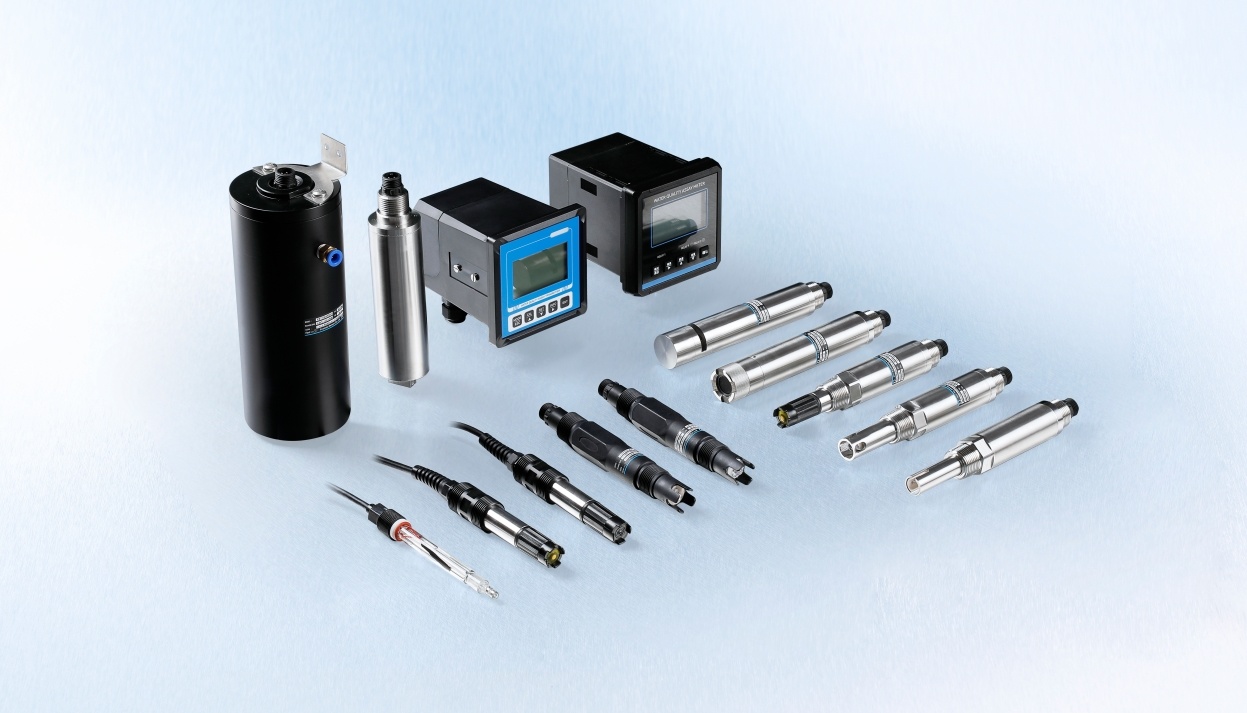
When choosing a pH sensor, one must consider the specific needs of the cooling tower. Various installation options are available, including pipe-mounted, flow cell, or submersible configurations, making the sensors adaptable to different operating environments.
In summary, pH sensors are essential for ensuring stable water quality and reliable operation of cooling towers. Through real-time monitoring and automated adjustment, they prevent water-related damage, reduce maintenance and energy costs, and improve overall efficiency. As technology advances, pH sensors will continue to play an important role across more industrial applications, supporting enterprises in achieving higher efficiency and greener operations.
RECOMMEND NEWS


Contact Us
WhatsApp:
Email:

Contact Us
· Our company was founded in 1965 and has more than 60 years of experience in sensor R & D and production.
· Our products have obtained CE, RoHS, ISO, ATEX and other international certifications.
Please leave your contact information to get one-on-one product selection guidance and quotation services from professional engineers.