

INFO CENTER
Firstrate Sensor Co.,Ltd is a leading sensor Manufacturer with 60 years Experience
How Ammonia Nitrogen Sensors Safeguard Aquaculture Safety
2025-11-13
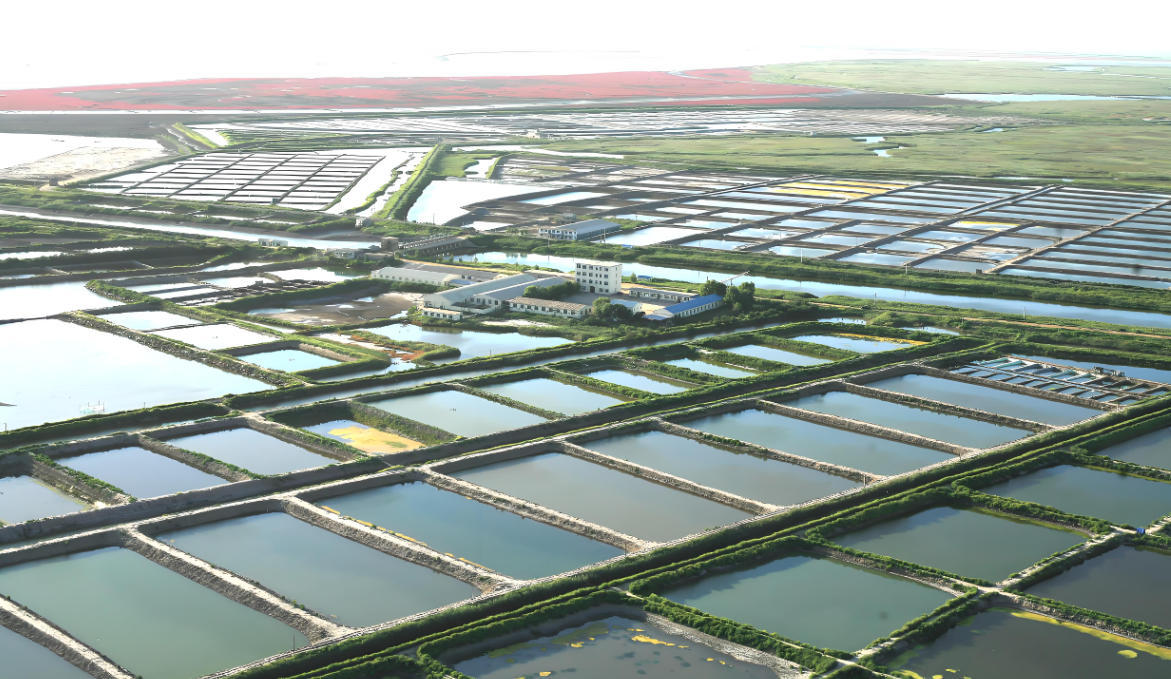
In the intricate world of aquaculture, beneath every expanse of clear water lies the code determining success or failure. Ammonia nitrogen, an invisible underwater threat, constantly endangers the lives of fish, shrimp, crabs, and shellfish. As the first morning light touches the water surface, farmers' primary concern is no longer the weather, but the critical data hidden beneath the shimmering ripples. Traditional manual testing is like viewing flowers through a veil – by the time a problem is detected, it's often too late to remedy. The emergence of the FST100-AT101A Intelligent Ammonia Nitrogen Sensor is quietly reshaping the landscape of this water quality protection battle.
Step into any modern aquaculture farm, and you'll find this sensor. It stands quietly in circulating water pipes or rests submerged in the depths of culture ponds, like a tireless guardian, constantly discerning subtle changes in the water. This sensor employs patented ammonium ion electrode technology. Its unique microporous salt bridge design allows the internal reference solution to release slowly under constant pressure, akin to giving the sensor a persistently beating heart. Throughout the months-long culture cycle, it maintains keen sensing capability, freeing farmers from worries about rapid electrode aging.
Even more commendable is its resilient character. With a 3/4 NPT pipe thread design, the sensor secures itself firmly in various installation positions. Boasting an IP68 protection rating, it withstands long-term immersion effortlessly. Even in the most demanding aquaculture environments, it maintains its elegant posture, steadily transmitting precise data signals via RS-485 bus and Modbus/RTU protocol to the control center. This data acts like a messenger, informing farmers when to activate aerators, adjust feeding strategies, or exchange water.
In today's era where intelligent aquaculture is becoming the industry trend, the ammonia nitrogen sensor is increasingly becoming the smart core of farms. It allows farmers to understand pond conditions through their phone screens, providing early warnings at the first sign of rising ammonia nitrogen levels, shifting management decisions from experiential judgment to data-driven action. This sense of calm control is precisely the technological empowerment modern fisheries need.
Choosing an ammonia nitrogen sensor isn't just selecting reliable water quality monitoring equipment; it's investing in peace of mind and security for the aquaculture operation. It speaks with accurate data, proves itself with stable performance, instilling confidence in every feeding and certainty in every production cycle. On this promising blue frontier, technology is perfectly merging with traditional wisdom, jointly composing a new chapter for aquaculture.
RECOMMEND NEWS


Contact Us
WhatsApp:
Email:

Contact Us
· Our company was founded in 1965 and has more than 60 years of experience in sensor R & D and production.
· Our products have obtained CE, RoHS, ISO, ATEX and other international certifications.
Please leave your contact information to get one-on-one product selection guidance and quotation services from professional engineers.