

INFO CENTER
Firstrate Sensor Co.,Ltd is a leading sensor Manufacturer with 60 years Experience
Smart Turbidity Sensor: Accurate Water Quality Monitoring in Hydroponic Vegetable Cultivation
2025-09-20
With modern agriculture moving toward efficiency, sustainability, and intelligence, hydroponic vegetables have become an important model in facility farming thanks to their advantages of saving water, saving land, and enabling soilless cultivation. However, hydroponic systems are highly dependent on water quality. Changes in water turbidity often indicate sediment deposition, algae growth, or particle accumulation, all of which can directly affect root nutrient absorption and the overall growing environment. The smart turbidity sensor is designed to meet these refined requirements, providing reliable data support for scientific management in hydroponic farming.
The sensor adopts the 90° light scattering principle, calculating turbidity values based on the scattering intensity of suspended particles in the water sample. With a built-in temperature sensor, it simultaneously measures turbidity and water temperature. Compared with traditional manual detection, the smart turbidity sensor enables 24/7 online monitoring with real-time data output, avoiding problems caused by delayed detection and ensuring that growers can grasp water quality dynamics immediately.
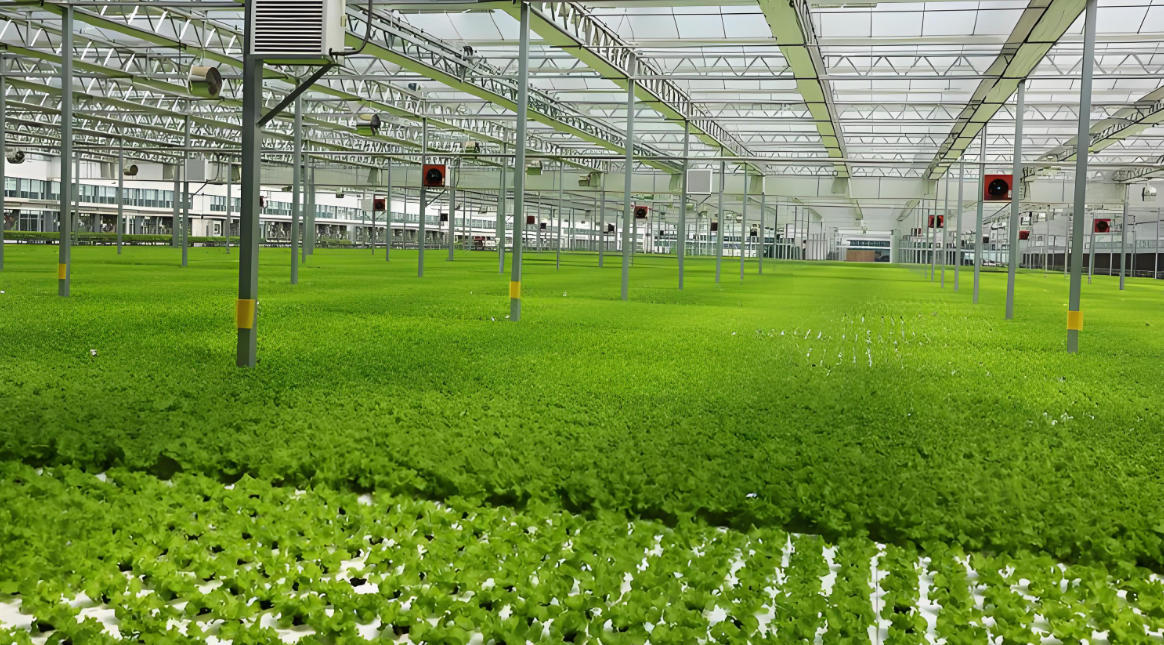
In hydroponic vegetable systems, the nutrient solution is the “lifeline” of plant growth. However, with repeated circulation, feed residues, root exudates, and external dust easily enter the solution, gradually raising turbidity. High turbidity reduces water transparency, impairs light penetration, and can cause excessive algae growth or decreased photosynthesis efficiency. Overgrown algae not only compete with plants for nutrients but may also consume dissolved oxygen at night, leading to root hypoxia. Real-time monitoring with a smart turbidity sensor helps managers detect abnormal water changes early and take measures such as solution replacement, filtration, or aeration to prevent deterioration.
Similar to aquaculture, hydroponic systems often face algae imbalance. While moderate algae levels may improve water quality, overgrowth causes systemic risks. Thanks to its high sensitivity and fast response, the smart turbidity sensor can capture subtle turbidity fluctuations, helping growers take preventive action at an early stage for precise water quality control.
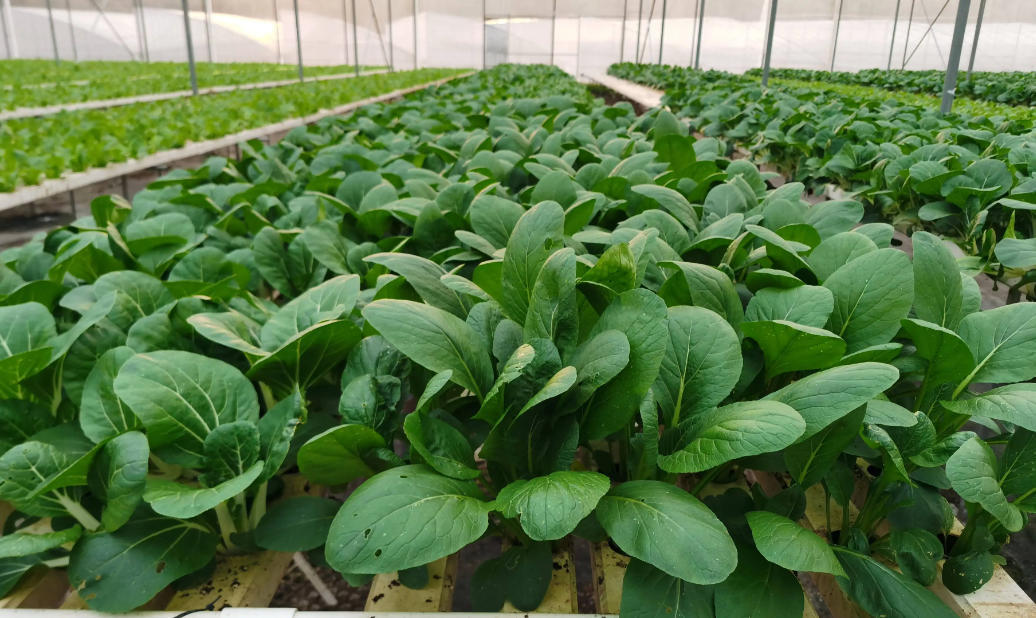
To withstand long-term immersion and complex water environments, the smart turbidity sensor features IP68 protection, excellent waterproofing, and durability, ensuring reliable operation in nutrient tanks or circulation pipelines. Its compact size and flexible installation make integration easy without frequent maintenance, enabling true uninterrupted online monitoring.
Aligned with the trend of smart agriculture, hydroponics increasingly relies on digital and remote management. The smart turbidity sensor supports RS485 interface and Modbus-RTU communication protocol, seamlessly connecting with intelligent agricultural control platforms. Together with pH, dissolved oxygen, and conductivity sensors, it builds an integrated water quality monitoring network. Managers can view data in real time via computers or mobile devices, enabling remote management and intelligent early warnings.
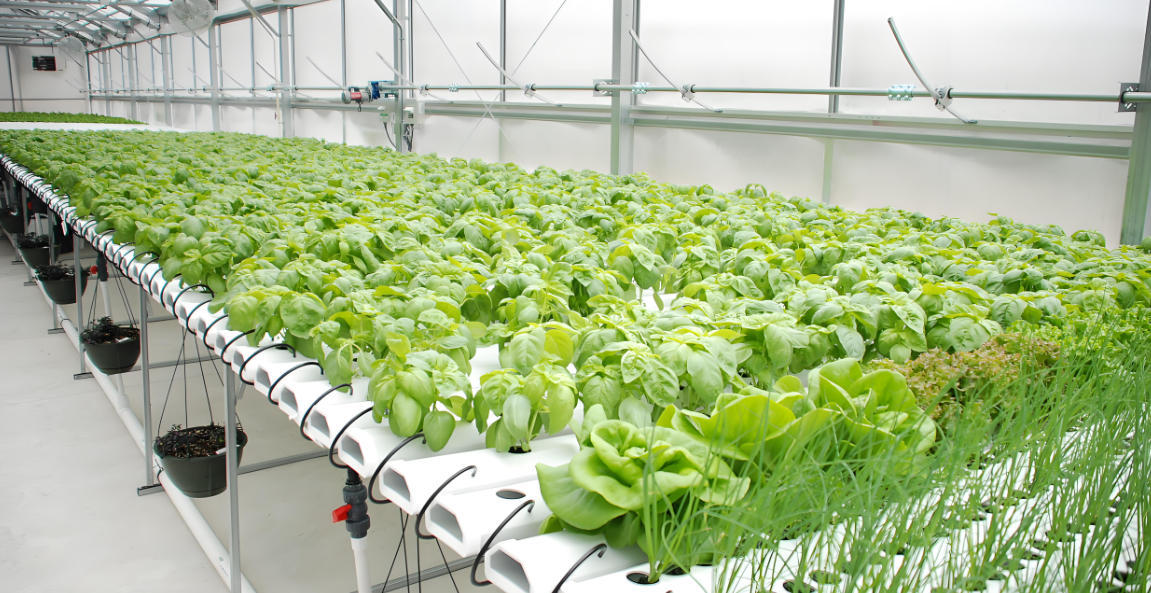
Hydroponic vegetables demand extremely strict environmental conditions, where any water quality fluctuation may affect yield and quality. Turbidity monitoring provides an intuitive and quantifiable indicator for water quality control. With its high accuracy, strong anti-interference capability, and reliable protection design, the smart turbidity sensor offers strong support for efficient hydroponic vegetable production, helping growers optimize management strategies while driving the industry toward greener, smarter, and more sustainable development.
RECOMMEND NEWS


Contact Us
WhatsApp:
Email:

Contact Us
· Our company was founded in 1965 and has more than 60 years of experience in sensor R & D and production.
· Our products have obtained CE, RoHS, ISO, ATEX and other international certifications.
Please leave your contact information to get one-on-one product selection guidance and quotation services from professional engineers.