

INFO CENTER
Firstrate Sensor Co.,Ltd is a leading sensor Manufacturer with 60 years Experience
Ultrasonic Wind Sensors Guiding Modern Maritime Navigation
2025-11-20
In the turbulent waters of the East China Sea, a 10,000-ton cargo ship forges ahead through the waves. Inside the wheelhouse, the captain intently monitors the real-time wind speed and direction data displayed on the screen—accurate information provided by the FST200-204 ultrasonic wind speed and direction sensor, quietly revolutionizing the centuries-old tradition of sailors relying on experience and observing celestial signs.
"Mechanical anemometers used in the past often 'failed' during typhoon days," remarked a seasoned captain with thirty years of sailing experience. "Since switching to this stainless steel ultrasonic sensor, it has remained stable even in the fiercest storms." The fully solid-state design and precision craftsmanship of the ultrasonic wind speed and direction sensor enable it to withstand the high-salt, high-humidity corrosive environment of the sea—a breakthrough once thought unimaginable.
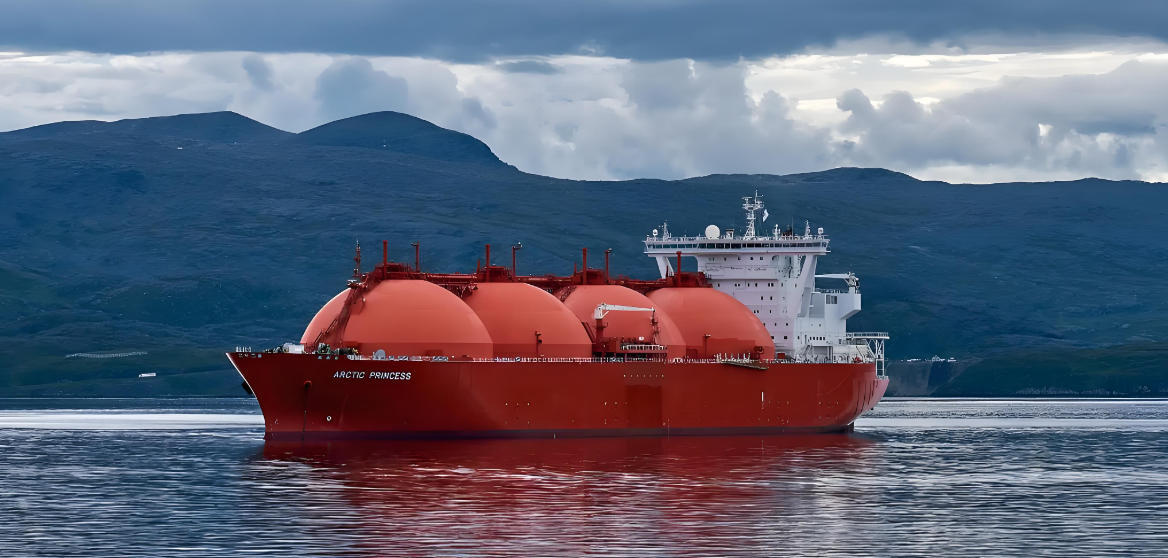
In practical navigation, the advantages of this sensor are particularly pronounced. Its ability to operate with no starting wind speed limit ensures accurate data even in breezy conditions, while its 360-degree unrestricted measurement capability guarantees real-time capture of true wind field changes, regardless of the ship's orientation. When a cargo ship from a certain shipping company encountered a sudden storm in the South China Sea, it was the real-time wind speed and direction trends provided by the ultrasonic sensor that enabled the captain to adjust the course in time and successfully avoid danger.
What’s even more commendable is its exceptional stability. Traditional mechanical sensors often suffer from data inaccuracies due to bearing wear or freezing issues. In contrast, this ultrasonic wind speed and direction sensor has no moving parts, fundamentally eliminating such risks. A ship equipment maintenance engineer shared, "After over a year of installation, aside from routine cleaning, it requires almost no maintenance. This has significantly saved costs for us in the high-labor-cost industry of ocean shipping."
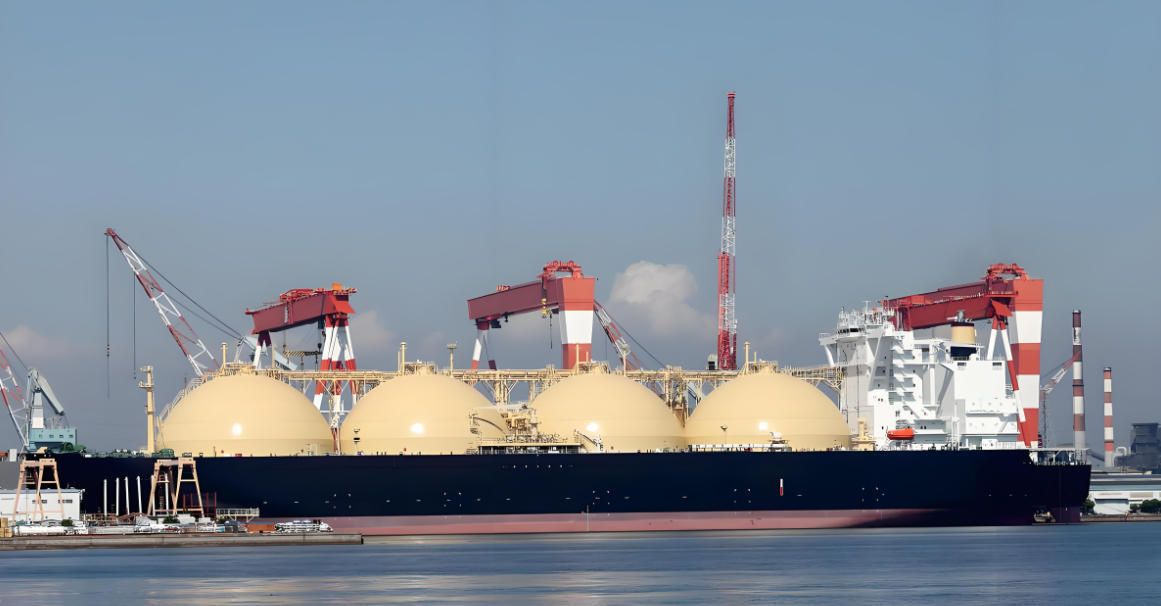
The application of ultrasonic wind speed and direction sensors in modern large ports is equally remarkable. The director of a port authority’s dispatch center explained, "We have deployed multiple such sensors at key locations in the port area, building a comprehensive wind field monitoring network. Especially during typhoon season, the minute-by-minute data provided by these devices helps us scientifically schedule ship arrivals and departures, ensuring both safety and improved port operational efficiency."
From coastal shipping to oceanic research, port management to maritime rescue, ultrasonic wind speed and direction sensors are becoming an indispensable "intelligent wind sense" in modern navigation, thanks to their outstanding performance and reliability. They not only safeguard voyage safety with technological power but also drive the traditional maritime industry steadily toward intelligent and precise advancement. Across this vast blue territory, these stainless steel guardians silently witness a new chapter in navigation.
RECOMMEND NEWS


Contact Us
WhatsApp:
Email:

Contact Us
· Our company was founded in 1965 and has more than 60 years of experience in sensor R & D and production.
· Our products have obtained CE, RoHS, ISO, ATEX and other international certifications.
Please leave your contact information to get one-on-one product selection guidance and quotation services from professional engineers.