

INFO CENTER
Firstrate Sensor Co.,Ltd is a leading sensor Manufacturer with 60 years Experience
How Turbidity Sensors Safeguard Aquaculture Water Environments
2025-11-04
In aquaculture, every body of water carries the promise of a bountiful harvest. Beneath the seemingly calm surface, however, often lurk risks imperceptible to the naked eye – suspended particles gradually increasing, algae quietly blooming under sunlight. These subtle changes collectively affect the turbidity of the water, directly impacting the survival environment of fish, shrimp, crabs, and shellfish.
Traditional water quality management largely relies on the experiential judgment of farmers, but the human eye ultimately struggles to accurately perceive those delicate changes in the water. The advent of the intelligent turbidity sensor has given aquaculturists a "keen eye" for insight into water quality. Based on the 90° scattered light principle, this sensor acts like a tireless underwater scout, capable of capturing the scattering signals of light caused by every suspended particle in the water body in real-time, and converting this optical information into precise turbidity values.

Step into a modern aquaculture base, and you'll find these compact sensors quietly working in various underwater corners. The intelligent turbidity sensor features a fully sealed design with an IP68 protection rating, ensuring stable operation even when permanently immersed in saltwater or freshwater environments. When increased feed residue, excretions, or algae numbers cause turbidity to rise, the sensor signals immediately, enabling staff to promptly take measures like oxygenation, water exchange, or adjusting feeding rates.
It's worth emphasizing that the built-in temperature compensation function ensures measurement accuracy under different water temperatures. Whether in warm summer waters or cold winter environments, the intelligent turbidity sensor provides true and reliable turbidity data. This stability is particularly crucial for farms requiring long-term monitoring, preventing data deviation due to seasonal changes.
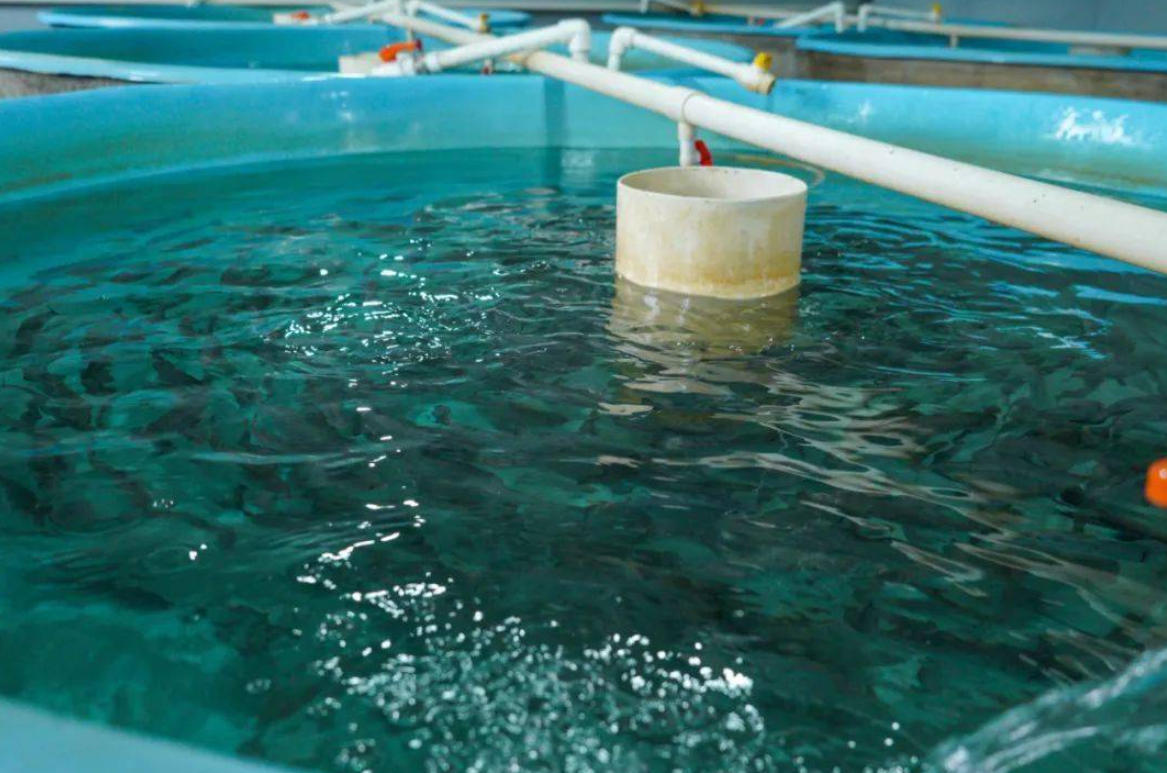
Utilizing an RS485 interface and Modbus communication protocol, the intelligent turbidity sensor can be easily integrated into the farm's automated management system. Farmers can monitor turbidity changes in various cultivation areas in real-time via mobile phones or computers, enabling remote monitoring and intelligent early warning. When the turbidity value in any area exceeds the safe range, the system automatically triggers an alarm, prompting staff to address the issue promptly, preventing problems before they occur.
In intensive culture ponds, moderate turbidity helps suppress excessive benthic algal growth, whereas in nursery ponds, excessive turbidity can affect seedling survival rates. The intelligent turbidity sensor helps farmers manage these subtle differences, enabling more refined management. Especially in high-density aquaculture environments, timely awareness of turbidity changes allows for more accurate assessment of water quality deterioration trends, avoiding economic losses caused by sudden water quality changes.
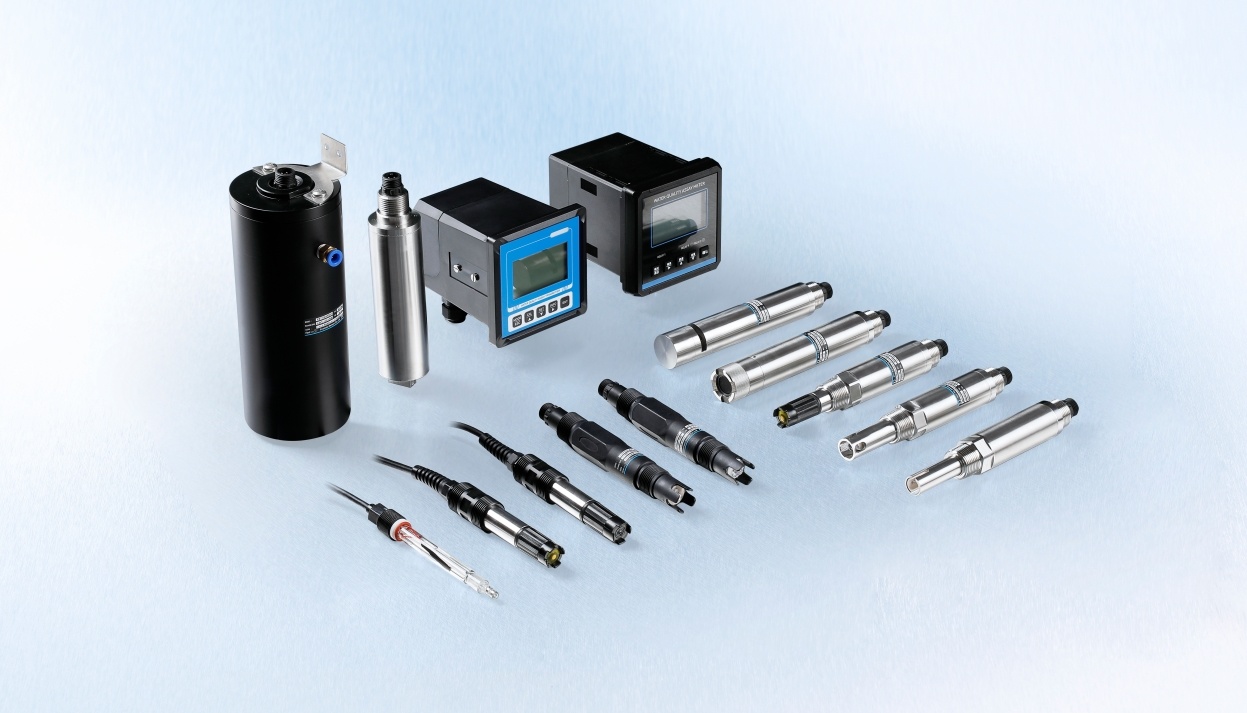
With the advancement of smart agriculture, such intelligent sensing devices are becoming standard in modern aquaculture. The intelligent turbidity sensor uses data and empowers through technology, revitalizing traditional aquaculture. In these blue fields, the intelligent turbidity sensor silently guards every body of water, ensuring the safe production of aquatic products and helping farmers embark on a more stable and far-reaching path to harvest.
RECOMMEND NEWS


Contact Us
WhatsApp:
Email:

Contact Us
· Our company was founded in 1965 and has more than 60 years of experience in sensor R & D and production.
· Our products have obtained CE, RoHS, ISO, ATEX and other international certifications.
Please leave your contact information to get one-on-one product selection guidance and quotation services from professional engineers.