

INFO CENTER
Firstrate Sensor Co.,Ltd is a leading sensor Manufacturer with 60 years Experience
Intelligent Monitoring of Turbid Waters
2025-11-05
In the fields of environmental monitoring and water treatment, turbid water bodies have always been one of the most challenging subjects to monitor. Whether it's rivers after heavy rain, industrial wastewater discharge outlets, or sedimentation tanks in sewage treatment plants, the large amount of suspended particles like sediment, algae, and microorganisms in these waters not only affect the aesthetic quality of the water but may also conceal risks of pollutant exceedances. The FST100-ZD102 intelligent turbidity sensor is a professional monitoring device meticulously designed to tackle these complex water environments.
When the sensor is deployed into turbid water, its core 90° scattered light measurement principle comes into play. A carefully designed beam of light is directed into the water sample, and the suspended particles in the water cause the light to scatter. Unlike traditional transmission measurement methods, the turbidity sensor detects the intensity of scattered light perpendicular to the incident light, effectively avoiding color interference. This allows it to obtain accurate turbidity readings even in dark or colored turbid waters. The advantage of this method is its ability to truly reflect the actual concentration of suspended particles in the water, unaffected by the water's inherent color.

In practical applications, the turbidity sensor demonstrates exceptional environmental adaptability. Its IP68 protection rating ensures the device can be permanently immersed in various water quality environments without compromising its measurement performance, be it industrial wastewater containing chemicals or estuarine waters with high salinity. The built-in temperature sensor automatically compensates for the effects of temperature changes on measurements, guaranteeing stable and reliable monitoring data across different seasons and water temperatures.
It is worth mentioning that the dual high-impedance differential amplifier design employed by the turbidity sensor gives it strong anti-interference capabilities. Even in industrial sites filled with various electromagnetic disturbances or in pump station pipelines with mechanical vibrations, the sensor maintains stable signal output, effectively avoiding false alarms and reading fluctuations. Its fast response characteristic enables it to capture instantaneous changes in water turbidity promptly, providing timely data support for process adjustments.
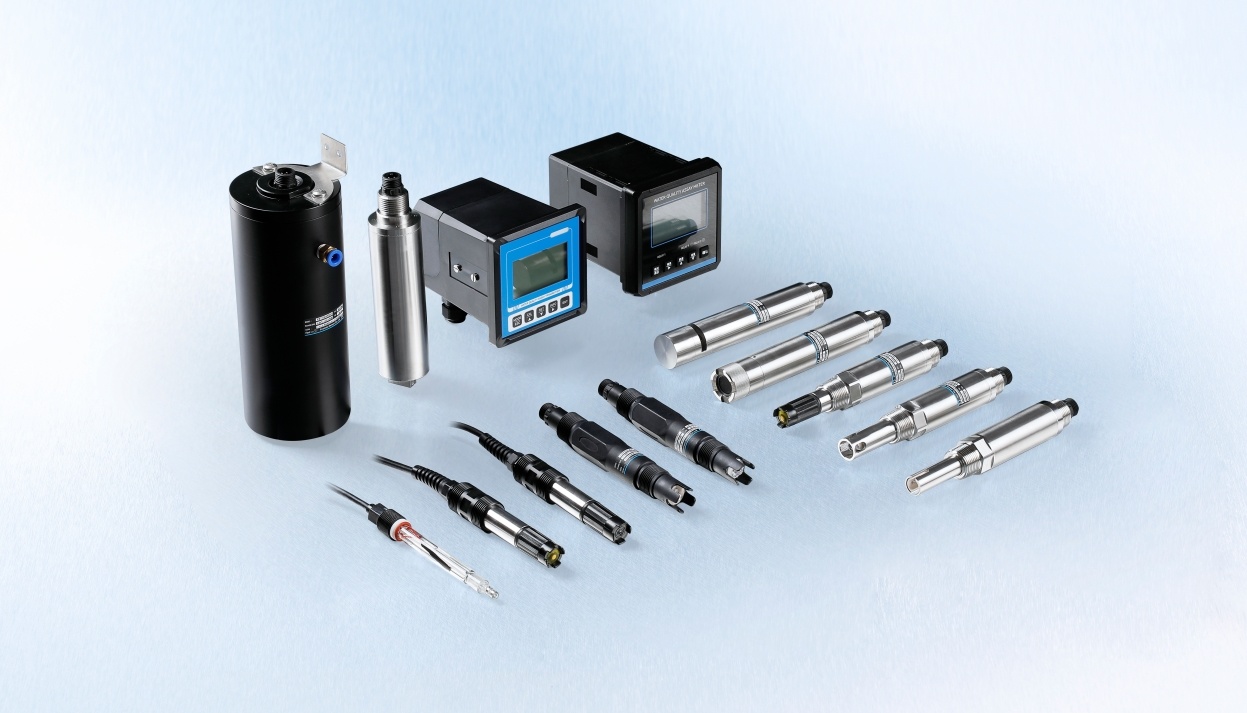
Through the RS-485 interface and Modbus-RTU protocol, the sensor can be easily integrated into existing monitoring systems. On smart water platforms, operational staff can view turbidity trends at various monitoring points in real-time. When the turbidity value exceeds a set threshold, the system automatically issues an alert, prompting relevant personnel to take action. This intelligent monitoring approach significantly enhances the control accuracy and operational efficiency of the water treatment process.
From influent monitoring at wastewater treatment plants to filter backwash control in drinking water plants, from real-time river quality monitoring to compliance discharge of industrial wastewater, turbidity sensors are playing vital roles across various sectors. It is not merely a measurement tool but a key device for ensuring water quality safety and optimizing treatment processes.
RECOMMEND NEWS


Contact Us
WhatsApp:
Email:

Contact Us
· Our company was founded in 1965 and has more than 60 years of experience in sensor R & D and production.
· Our products have obtained CE, RoHS, ISO, ATEX and other international certifications.
Please leave your contact information to get one-on-one product selection guidance and quotation services from professional engineers.