

INFO CENTER
Firstrate Sensor Co.,Ltd is a leading sensor Manufacturer with 60 years Experience
Applications of Infrared Temperature Sensors in the Power Industry
2025-08-01
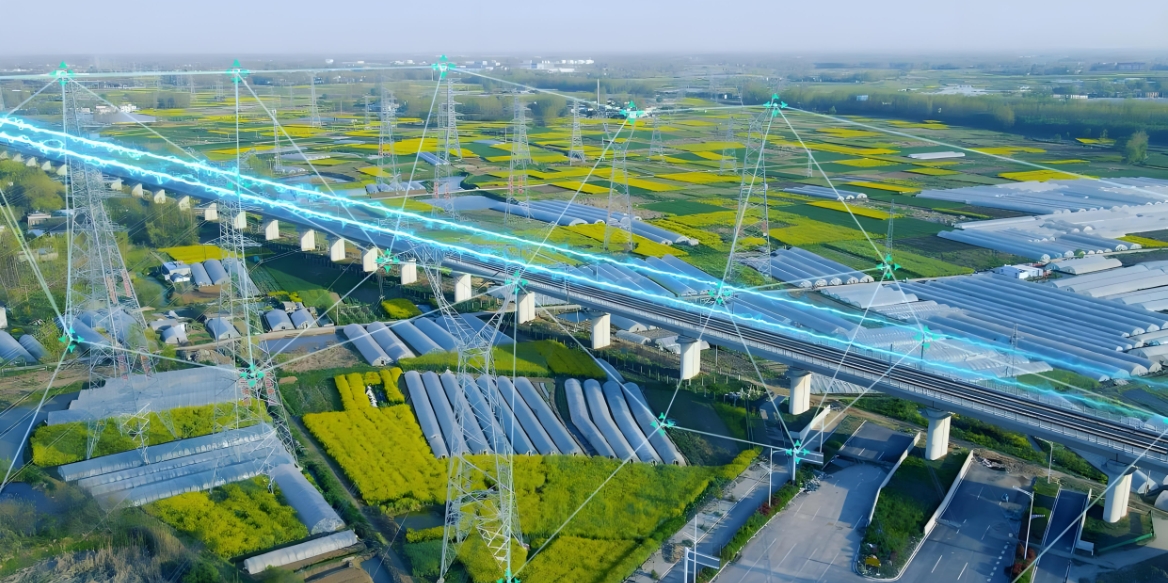
Infrared temperature sensors offer advantages such as rapid response, high accuracy, and the absence of contact with the object being measured. They are particularly suitable for real-time online monitoring of the status of high-voltage, hazardous equipment. They can effectively identify localized overheating caused by factors such as poor contact, loose bolts, abnormal wiring, and uneven current density. Even minor internal heating anomalies in transformers can be detected by sensors, with subtle changes in the thermal field of the outer casing, providing timely warnings of potential risks.
During routine inspections of substations, traditional manual inspections struggle to detect subtle heating risks. The introduction of infrared temperature sensors not only improves inspection efficiency but also greatly enhances the visualization and traceability of abnormal conditions. Through systematic deployment, key areas such as disconnectors, terminal blocks, conductor connection points, and busbar bridges can be intelligently monitored around the clock.
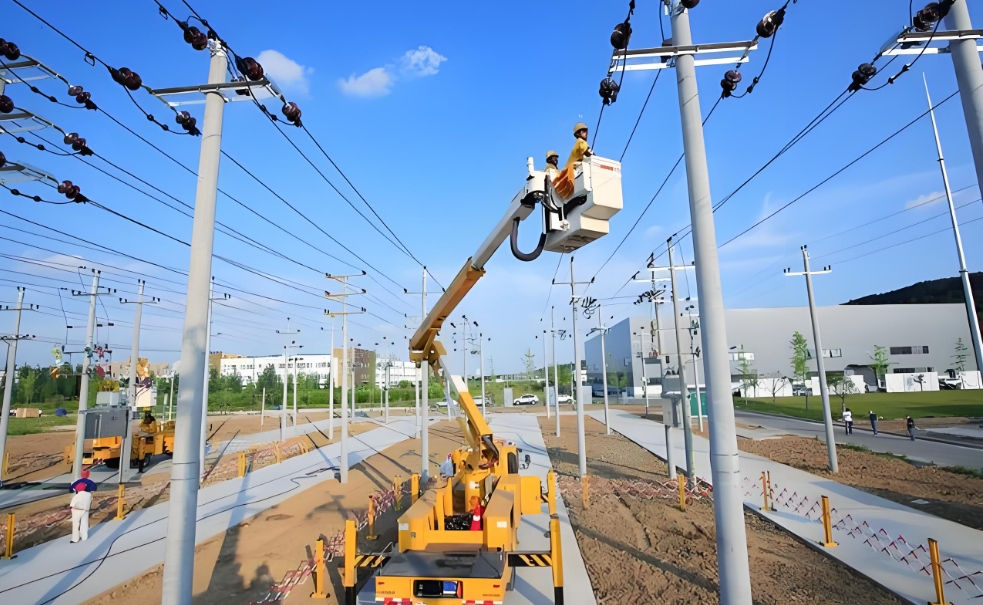
During transformer operation, problems such as loose terminal clamps, oxidized pads, and aging vibration damping components often lead to abnormal heating. If not addressed promptly, this can easily cause line failures or equipment damage. Infrared temperature sensors can quickly detect these hot spots, avoiding the safety risks associated with equipment operating under potentially hazardous conditions. Furthermore, these sensors support data storage and remote transmission, providing continuous data support for the health management of power equipment throughout its lifecycle.
With the continuous integration of smart grids and modern information technology, the application of infrared temperature sensors in power transmission and transformation equipment is becoming increasingly widespread. Their applications are expanding beyond detection to include intelligent operation and maintenance, automatic early warning, and remote diagnosis. Their non-contact, visual, and automated monitoring capabilities make them a crucial component of the current digital upgrade of power equipment operation and maintenance.
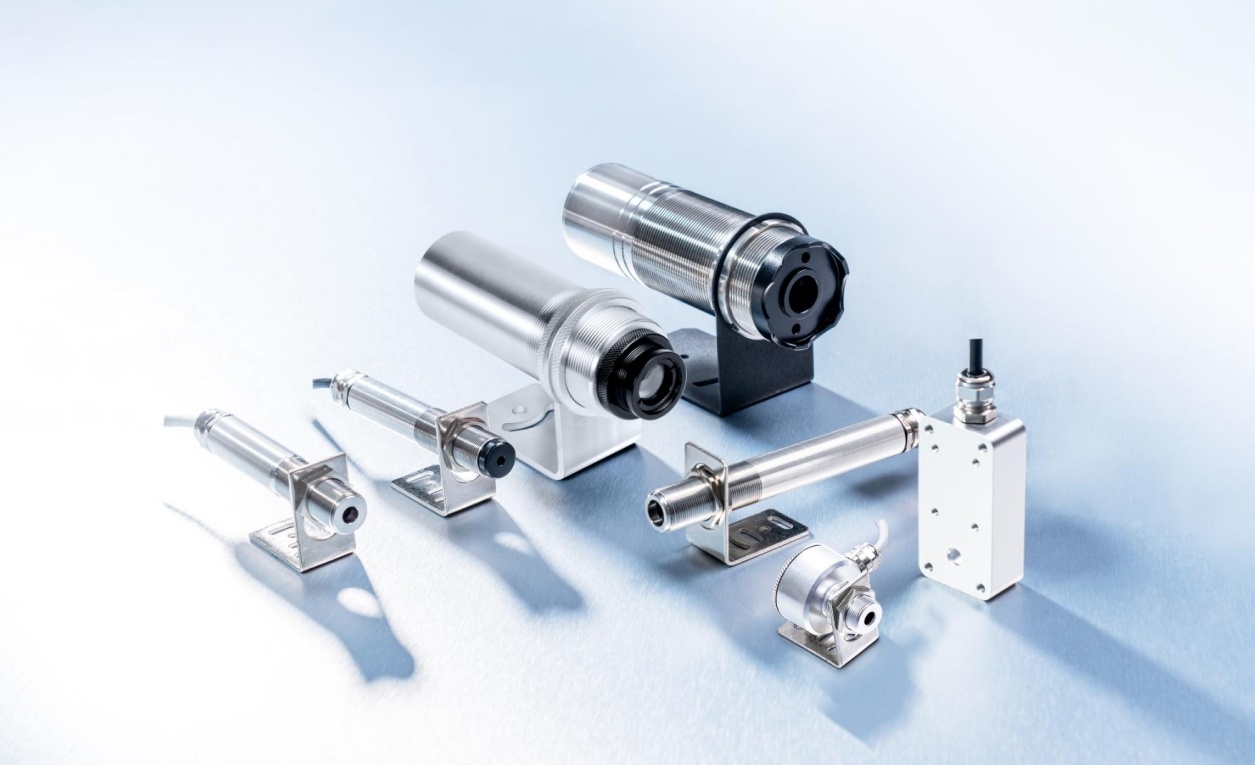
In the future, with the continuous development of infrared sensing technology, its sensitivity, resolution and environmental adaptability will be further improved. Infrared temperature sensors will show higher application value in power inspection, status assessment, accident prevention and other aspects, providing stronger technical support for ensuring the stable and safe operation of the power system.
RECOMMEND NEWS


Contact Us
WhatsApp:
Email:

Contact Us
· Our company was founded in 1965 and has more than 60 years of experience in sensor R & D and production.
· Our products have obtained CE, RoHS, ISO, ATEX and other international certifications.
Please leave your contact information to get one-on-one product selection guidance and quotation services from professional engineers.